Solar Panels in Peshawar: 2026 Buyer’s Guide
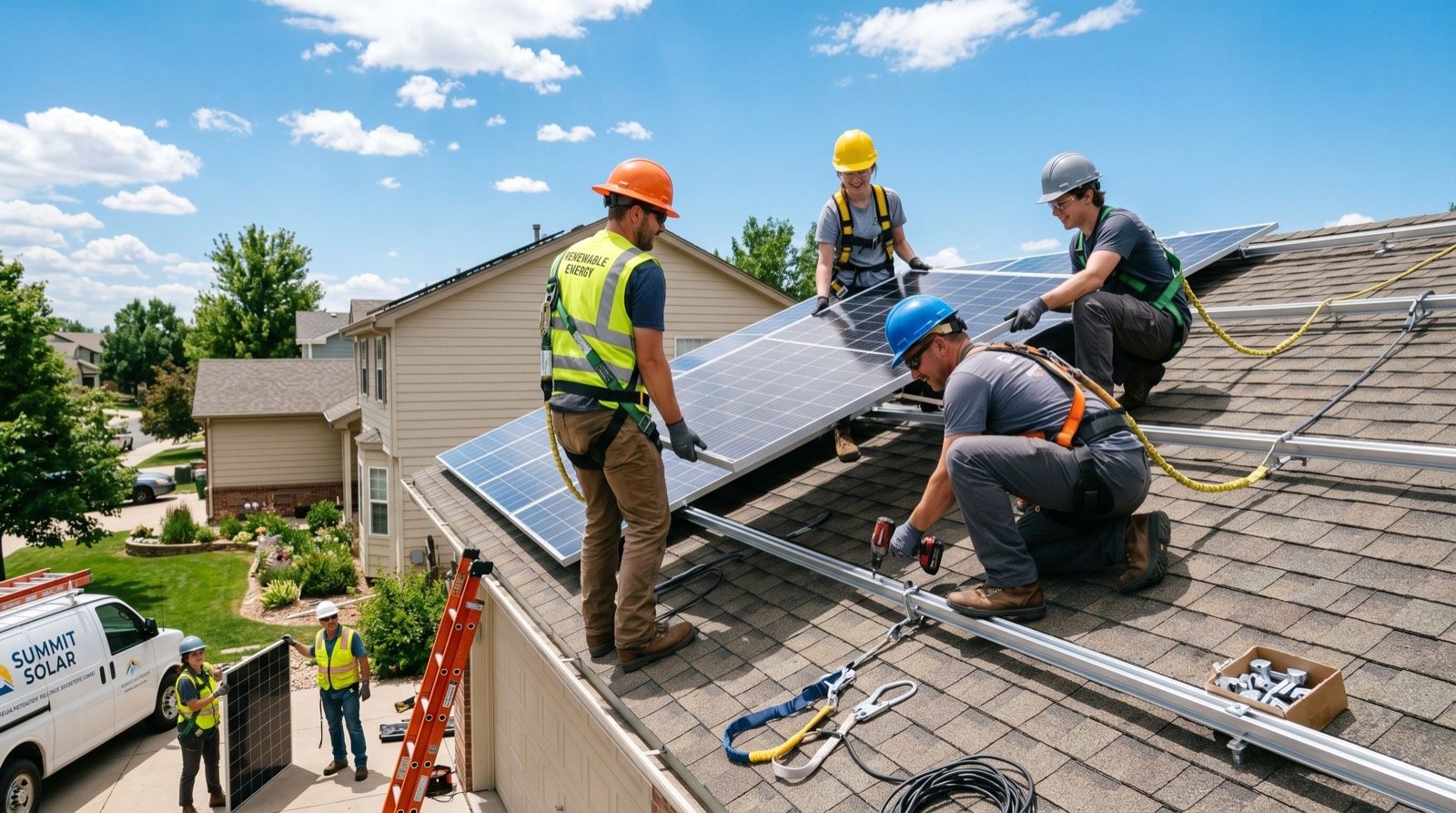
Frequent load shedding, rising tariffs, and long sunny days make installing solar panels in Peshawar one of the most practical upgrades a home or business can make in 2026. The city’s climate is well suited to photovoltaics, yet Peshawar also brings specific challenges, from summer heat that affects panel output to dust that dulls performance. This buyer’s guide explains what to buy, how to size it, and how to keep it producing reliably for decades.
Whether you want to escape blackouts or simply slash your bill, the right system design tuned to Peshawar’s conditions makes all the difference. Let’s walk through the essentials.
Why Peshawar is a strong fit for solar
Peshawar enjoys high solar irradiation for most of the year, and Pakistan’s National Renewable Energy Laboratory-aligned resource data shows the region receiving ample daily sun. The NREL global solar resource maps confirm South Asia’s high-yield potential, and Peshawar sits firmly within it. That means a correctly sized array here generates strong output and pays back quickly.
The combination of abundant sun and unreliable grid supply is exactly why hybrid solar, which pairs panels with battery storage, has become so popular across the city.
On-grid vs hybrid: which suits Peshawar?
Your choice hinges on how much you value backup power during outages.
| Feature | On-grid | Hybrid (with battery) |
|---|---|---|
| Upfront cost | Lower | Higher |
| Works in load shedding | No | Yes |
| Net metering | Yes | Yes |
| Payback | 2.5 – 3 yrs | 3.5 – 4.5 yrs |
| Best for | Bill savings | Savings + backup |
Given Peshawar’s outage frequency, many households opt for a hybrid system on essential loads (fans, lights, router, a small AC) while running the rest on-grid for the fastest possible payback.
How to size solar panels for a Peshawar home
Right-sizing keeps your return high and avoids paying for capacity you cannot use. Follow these steps:
- Collect 12 months of electricity bills and find your average monthly units.
- Divide by 30 for daily consumption in kWh.
- Divide daily kWh by about 4 usable peak-sun hours to get the panel kW needed.
- Add 15–20% headroom for heat losses, dust, and future appliances.
- Check you have enough shade-free roof — roughly 55–65 sq ft per kW.
A family using 800 units a month typically needs a 6–7 kW array after headroom. Always confirm with an on-site survey rather than a phone estimate.
Managing heat and dust for peak output
Peshawar’s summer heat and airborne dust are the two biggest threats to real-world yield. Panels actually lose efficiency as they get hotter, so good design matters:
- Mount panels with an air gap so they run cooler and stay efficient.
- Rinse panels every 2–3 weeks in dry, dusty months to protect output.
- Choose modules with a low temperature coefficient for hot climates.
- Orient and tilt panels correctly to capture the most annual sun.
These small design choices can add several percent to your yearly generation, which compounds into meaningful savings over 25 years.
What does a Peshawar solar system cost in 2026?
Costs depend on size and whether you add batteries. As a rough 2026 guide, a 5 kW on-grid home system runs about PKR 950,000–1,150,000, while a 10 kW system runs about PKR 1,700,000–2,050,000. Adding lithium storage for backup increases the price but delivers outage protection that on-grid setups cannot.
To protect that investment, work only with certified, experienced trusted professionals who provide proper warranties and after-sales monitoring.
Net metering in Peshawar
Under Pakistan’s net-metering rules, homes and businesses can export surplus daytime generation to the grid and receive credit against night-time use. Applications go through PESCO and must be signed off by an AEDB-licensed installer. Expect a few weeks for the bidirectional meter and agreement, and factor that into your project timeline.
Installers who operate across regions tend to maintain higher, more consistent standards; the same teams handling Peshawar often deliver projects like solar panels in Multan, which points to broader engineering experience.
Maintenance checklist
- Clean panels regularly, especially after dust storms.
- Check the inverter’s monitoring app monthly for output dips.
- Inspect wiring and connectors once a year.
- For hybrid systems, monitor battery health and keep firmware updated.
Choosing the right battery for a hybrid system
If backup power is your goal, the battery deserves as much attention as the panels. In 2026, lithium iron phosphate (LFP) batteries dominate the Peshawar market because they tolerate heat well, last for thousands of cycles, and need no maintenance. Older lead-acid options are cheaper upfront but wear out faster and cost more over their life.
When sizing storage, focus on the loads you truly need during an outage rather than trying to back up the whole house:
- Essential backup — lights, fans, router, and a small AC for a few hours needs a modest battery.
- Whole-home backup — running everything through long outages needs far more storage and raises cost sharply.
- Depth of discharge — LFP batteries safely use more of their capacity, giving you more usable energy per rupee.
Matching battery size to real backup needs keeps the system affordable while still delivering the outage protection Peshawar households value.
Original tip: track your generation from day one
Here is a habit that pays off. From the moment your system is commissioned, log your daily generation through the inverter app and compare it against the installer’s estimate each month. A sudden drop usually means dust, shading from new growth, or a failing connection, and catching it early protects your savings. Owners who monitor actively typically recover several percent of output that passive owners simply lose.
Common mistakes Peshawar buyers make
- Oversizing the battery — backing up non-essential loads inflates cost with little real benefit.
- Ignoring heat in panel selection — modules with a high temperature coefficient underperform in summer.
- Neglecting cleaning — dust after storms can quietly cut output for weeks.
- Hiring uncertified installers — poor workmanship voids warranties and risks safety.
Frequently Asked Questions
Do solar panels work well in Peshawar’s hot summers?
Yes, though panels lose a little efficiency in extreme heat. Choosing modules with a low temperature coefficient and mounting them with an air gap keeps output strong through the summer.
Will solar keep my home powered during load shedding?
Only a hybrid system with batteries provides backup during outages. On-grid systems shut off for safety, so add storage if uninterrupted power is a priority.
How often should I clean my panels in Peshawar?
Every two to three weeks during dry, dusty months, and after any dust storm. Regular cleaning can recover several percent of lost output that dust would otherwise cost you.
How long is the payback period?
On-grid systems typically pay back in about 2.5 to 3 years at 2026 tariffs. Hybrid systems take a little longer because of the battery, but they add valuable outage protection.
The bottom line
With abundant sunshine, frequent outages, and rising tariffs, 2026 is a smart year to invest in solar panels in Peshawar. Pick the right architecture for your needs, size the system to your real usage, design for heat and dust, and choose a certified installer. Do that, and you will enjoy lower bills and reliable power for decades. Ready to begin? Request a free site survey today and start generating your own clean energy.