Dry Storage: The Complete 2026 Guide to Protecting Your Inventory
Every well-run warehouse starts with solid Dry Storage. It is the backbone of inventory management for retailers, wholesalers, and manufacturers who handle shelf-stable goods. Done well, dry storage keeps products safe, cuts waste, and frees up cash tied in damaged stock. This 2026 guide explains how it works, how to set it up correctly, and the practical habits that separate a tidy, profitable warehouse from a chaotic one.
If you are deciding how to store canned food, packaged ingredients, textiles, or spare parts, the principles below will help you protect quality without overspending.
What Counts as Dry Storage?
Dry storage means holding non-perishable goods in a cool, dry, well-ventilated space that does not require refrigeration. The emphasis is on controlling moisture, light, pests, and temperature swings rather than actively cooling the air.
It overlaps heavily with ambient warehousing, and the two terms are often used together. The key idea is a stable environment that keeps dry goods in good condition from arrival to dispatch.
Typical dry storage products
- Canned, jarred, and vacuum-sealed foods
- Grains, flour, rice, pasta, and sugar
- Spices, tea, coffee, and powdered goods
- Paper products, packaging, and textiles
- Hardware, tools, and non-perishable retail stock
The Four Enemies of Dry Storage
Good dry storage is really about defending inventory from four threats. Manage these and most spoilage disappears.
- Moisture — causes clumping, mould, rust, and packaging failure.
- Heat — accelerates spoilage and can melt or warp sensitive goods.
- Pests — insects and rodents contaminate food and ruin packaging.
- Light — degrades certain foods, chemicals, and fabrics over time.
Controlling humidity is especially important in coastal and desert climates where conditions swing sharply. The U.S. Food and Drug Administration offers clear safe food handling guidance that underlines why a dry, stable store matters for anything edible.
How to Set Up Dry Storage Correctly
Whether you manage your own warehouse or rent space, the setup checklist is the same. Get the fundamentals right and daily operations become far easier.
- Keep temperatures stable, ideally between 10 and 21 C for most food goods.
- Maintain humidity around 50 to 60 percent to prevent damp and clumping.
- Store goods on shelving at least 15 cm off the floor and away from walls.
- Ensure steady airflow so no pockets of trapped heat or moisture form.
- Label everything clearly with receipt and expiry dates.
Shelving layout matters as much as the building itself. Leave clear aisles, group fast movers near dispatch, and keep heavy items low to reduce handling risk.
First-expired, first-out rotation
Dry goods last a long time, but not forever. Use first-expired-first-out rotation so older stock ships before newer deliveries. This single habit prevents most write-offs and keeps customers from receiving near-expiry products.
Dry Storage vs Other Storage Types
Knowing when dry storage is enough, and when you need something colder, protects both quality and budget. The table compares the main options for 2026.
| Storage Type | Conditions | Best For | Relative Cost |
|---|---|---|---|
| Dry storage | Cool, dry, ventilated | Canned and packaged goods | Low |
| Ambient storage | 15 to 25 C controlled | General dry inventory | Low |
| Chilled storage | 0 to 8 C | Dairy, produce, pharma | Medium |
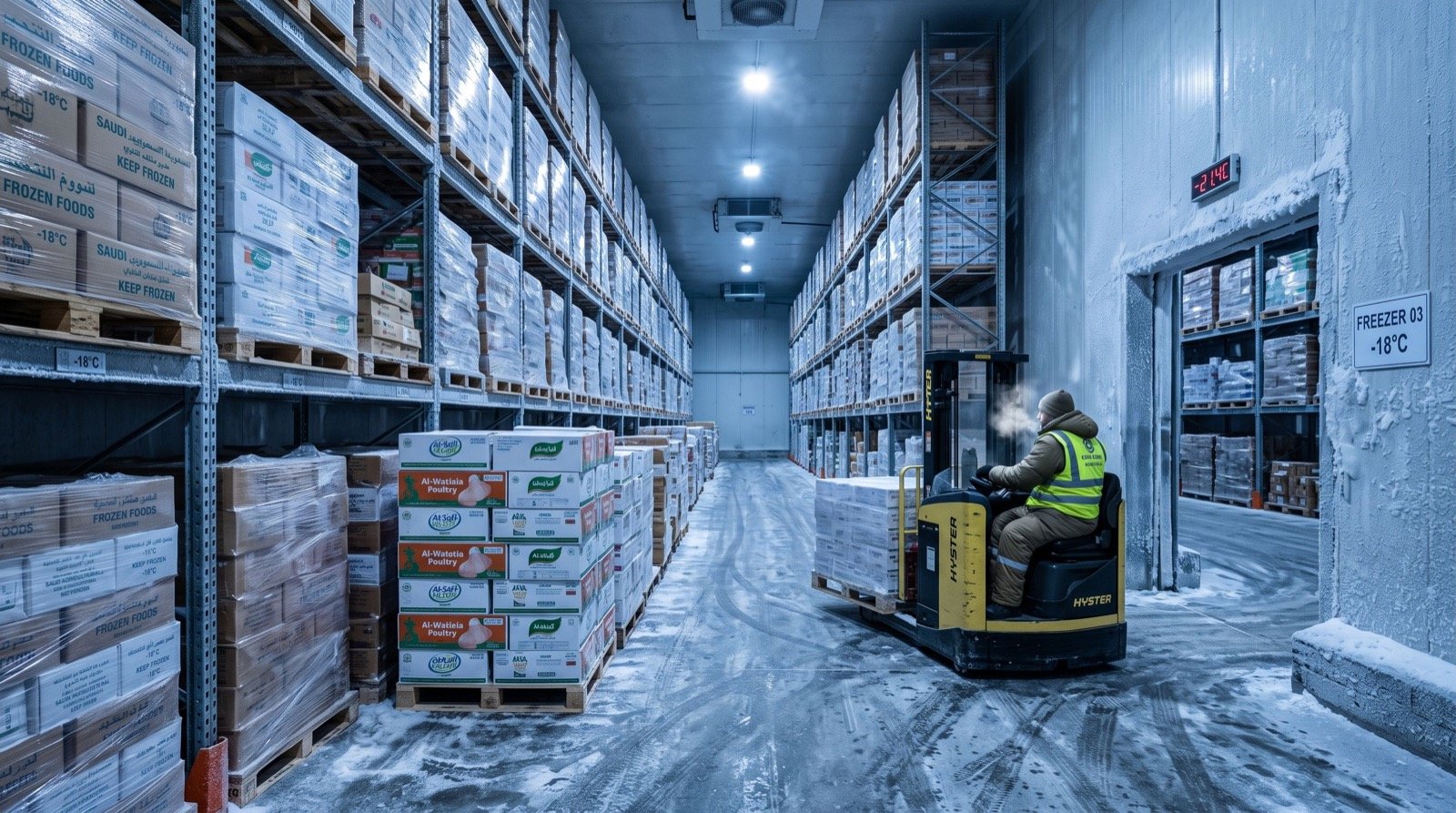
| Frozen storage | -18 C or below | Meat, frozen meals | High |
Many businesses pair dry warehousing with climate-controlled space. For example, a grocery importer might combine dry storage with Ambient Storage in Jeddah for a broader range of shelf-stable stock, then add chilled space only for perishables.
Why Is Dry Storage Still So Important in 2026?
With supply chains under pressure and input costs rising, reducing waste is a direct route to profit. Properly managed dry storage extends shelf life, lowers insurance claims, and keeps products sellable. It also supports local buffer stock, so businesses are less exposed to shipping delays.
As e-commerce grows across the region, fast and accurate order fulfilment depends on a clean, well-organised dry store. Customers notice when products arrive fresh, intact, and on time.
Common Dry Storage Mistakes to Avoid
From hands-on experience, the same errors trip up warehouses again and again:
- Storing goods directly on the floor where moisture and pests gather.
- Overpacking shelves and blocking airflow.
- Ignoring expiry dates until stock is already too old to sell.
- Skipping regular pest inspections.
- Mixing cleaning chemicals near food products.
A quick weekly walk-through catches most of these before they become expensive. Working with an experienced local team that knows regional climate challenges makes these checks routine rather than reactive.
How Technology Improves Dry Storage
Modern dry storage is no longer about stacking boxes and hoping for the best. In 2026, affordable technology gives even small warehouses tight control over conditions and stock.
Wireless temperature and humidity sensors send alerts the moment conditions drift, so staff can act before goods are harmed. A warehouse management system tracks every pallet, flags slow movers, and automates first-expired-first-out rotation. Barcode and QR scanning cuts picking errors and speeds up order fulfilment.
Simple upgrades with a fast payback
- Plug-in humidity loggers that email daily summaries.
- Cloud dashboards so managers can check conditions remotely.
- Barcode scanners linked to live stock counts.
- LED lighting on motion sensors to cut heat and energy use.
None of these require a huge budget, yet together they reduce shrinkage, improve accuracy, and give you the data to negotiate better storage terms. Measuring conditions also builds the audit trail that food and pharmaceutical buyers increasingly demand.
Frequently Asked Questions
What is the ideal temperature for dry storage?
For most food and packaged goods, aim for a stable range of 10 to 21 C with humidity around 50 to 60 percent. The priority is consistency, since sharp swings cause condensation and spoilage.
Is dry storage the same as ambient storage?
They are closely related. Both hold shelf-stable goods at normal temperatures without refrigeration. Ambient storage usually refers to a controlled 15 to 25 C range, while dry storage stresses low humidity and ventilation. In practice, many facilities offer both together.
How long can goods stay in dry storage?
It depends on the product, from several months for some foods to years for hardware and textiles. Always follow the manufacturer’s expiry dates and rotate stock on a first-expired-first-out basis.
How do I keep pests out of dry storage?
Seal entry points, keep goods off the floor and away from walls, clean spills quickly, and run a documented pest control programme with regular inspections. Good housekeeping is the best defence.
Conclusion
Dry storage may be the least glamorous part of the supply chain, but it protects margins every single day. Control moisture, heat, pests, and light, rotate stock properly, and choose a facility that takes housekeeping seriously. If you want to reduce waste and keep inventory sale-ready through 2026, review your dry storage setup now, or partner with a provider who can manage it for you. Get in touch today to secure clean, reliable dry storage for your business.